Layered limits — general, single, multiple, in-play, per currency and per country — with block or accept-and-flag, and the rejection reason returned to you.
 Request a demo
Sportsbook API
Pick the engine.
Keep the relationship.
Most suppliers sell you their own book and that is the end of the conversation. We integrate five, so the choice is made on your market and your trading appetite — and you can change your mind after launch.

- 5Sportsbooks
- 3–7Days to integrate
- 1Wallet
- NoneMonthly minimum
What a sportsbook API provider should offer
A sportsbook API provider supplies the betting engine — odds, markets, bet placement, risk management and settlement — and the integration layer that connects it to your player accounts and wallet. The engine determines your coverage and margin; the integration layer determines how much of it you can actually control.
Operators usually choose a sportsbook from a slide deck and discover its real character months later, when the coverage in their market turns out to be thin or the risk tools turn out to be someone else’s to configure. The deck never shows that. Your own traffic does, within two weeks.
That is why we integrate five engines rather than one. You start with the book that looks right, and if the economics or the coverage disappoint, the second is a configuration change on the same wallet and the same back office — not a new contract, a new integration and six lost months.
How it works
- Choose a bookAltenar, Digitain, EveryMatrix, BetConstruct or Sportradar — matched to your market, your trading model and whether you run retail too.
- Connect the walletDebit, credit, rollback and balance over HMAC-signed callbacks, with idempotent retries and a defined timeout policy.
- Configure tradingRisk limits per sport, league and market, margin and odds control, content visibility and per-brand settings from your own panel.
- Launch and compareGo live on one engine, add a second later and run both on your own traffic before deciding where the volume stays.
What you control
Your own margin and price adjustments on the markets you choose, per brand, without asking the provider.
Sport, country and tournament tree with per-node visibility, so each brand shows what its market actually bets on.
Full and partial cash out with a margin you set, bet builder, and a cancellation window you configure.
Freebet grants and offers driven from your own system through the API, settled into the same wallet.
Defined rules for postponement, abandonment, extra time and amended results — written down, and applied consistently.
JWT launch in an iframe, or an embedded integration with no iframe when you want the book inside your own front end.
Turnover, GGR, open-bet liability and commission, per brand and per sport, exportable and reachable by API.
Sportsbook engines we integrate
One contract, one wallet, one back office — whichever book sits behind it.
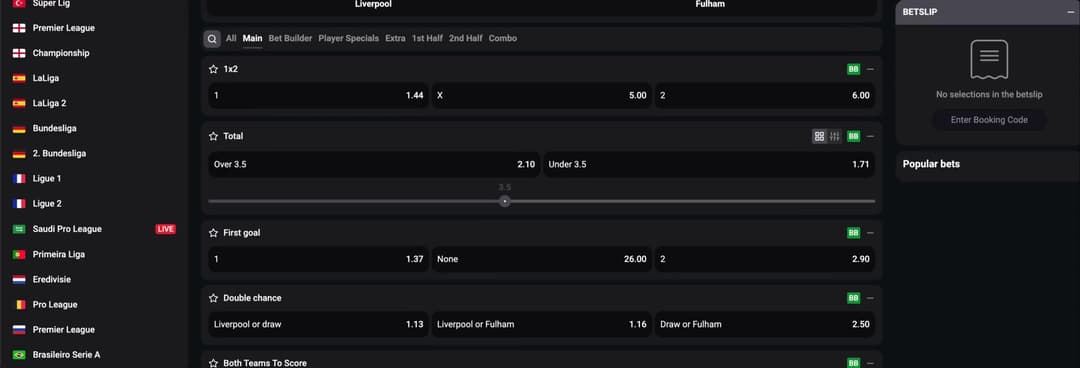
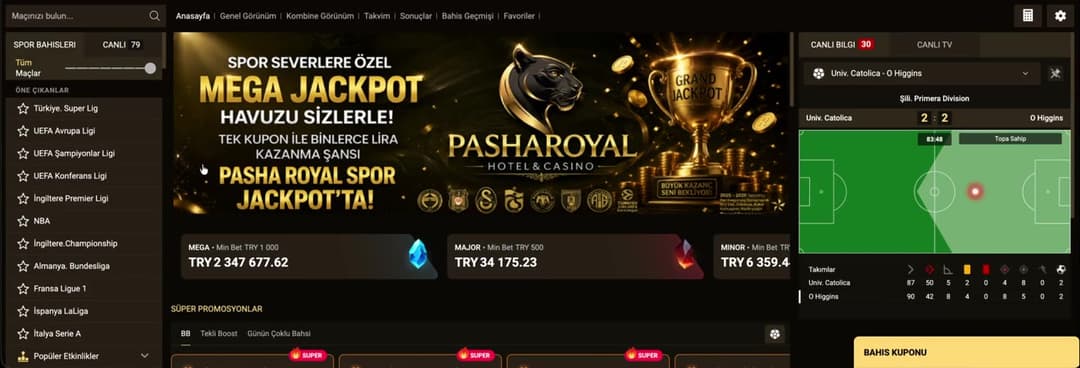
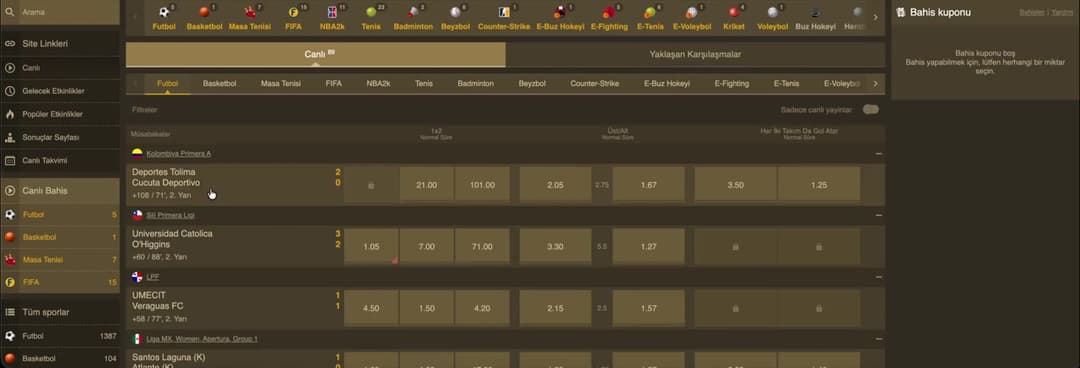

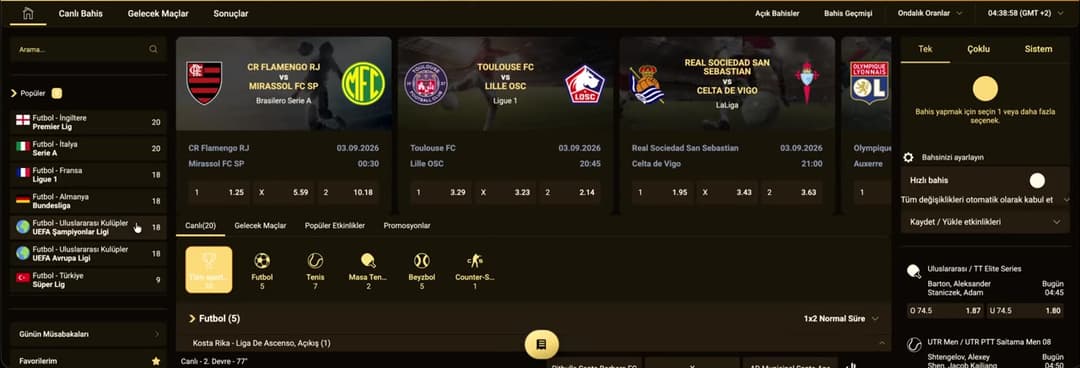
Engines we integrate
One contract, one wallet, one back office — whichever book sits behind it.
- Altenar
- Digitain
- EveryMatrix
- BetConstruct
- Sportradar
- Betby
- TJK Horse Racing
Commercial terms
The same terms whichever engine you choose. The turnover component is stated openly because that is how a sportsbook is actually priced.
No platform fee and no minimum commitment waiting at the end of a slow month.
A configuration change on the same contract, not a new integration — so you can compare two engines on your own traffic.
Frequently asked questions
Which sportsbook provider is best?
There is no single answer, and anyone who gives you one is selling their own book. It depends on your market’s league coverage, your trading appetite and whether you run retail alongside online. We integrate five so the decision can be made on your own numbers rather than on a deck.
How long does a sportsbook API integration take?
Three to seven days if you already run a platform: implement the wallet callbacks, test bet placement, settlement, cash out and voids in the sandbox, then switch credentials. A full launch from zero is four to six weeks.
Can we switch sportsbook later?
Yes. A second engine is a configuration change on the same wallet and back office, and both can run side by side so you can compare coverage and margin on your own traffic before moving volume.
What does 7% GGR plus 1% turnover mean?
You pay 7% of gross gaming revenue and 1% of the amount staked. The turnover component is how sportsbook pricing works in practice; we state it rather than hiding equivalent margin somewhere else in the agreement.
Do we control the odds and risk settings?
Yes. Risk limits, margin, odds adjustments, content visibility, flagged players and cash-out settings are exposed to you through a signed merchant API and the back office, per brand.
Also worth reading
- Seamless Wallet vs Transfer Wallet: What Changes for the OperatorHow seamless and transfer wallet integrations differ in balance integrity, timeout handling, idempotency, stranded rounds, reconciliation and player experience.
- Casino API Cost per Month: What Operators Actually PayA line-by-line cost model for a casino games API: setup fee, monthly minimum, GGR share by product, studio minimums, payment costs and the operational work nobody quotes.
- How to Choose a Sportsbook Platform: Operator ChecklistCompare sportsbook platforms by market coverage, trading and risk control, player features, localisation, integration, SLA and total operating cost.
Compare two books on your own traffic
Tell us your market and we will put a demo on the engine you want to see, with a back office login so your trading and risk staff can work in it.